The Allure of the Jackpot
The potential for a life-changing jackpot is one of the most alluring aspects of slot machines. Each spin represents a fleeting chance to win enormous sums of money, which can be intoxicating. This hope of winning creates a psychological phenomenon known as “near misses.” When players nearly win, their brains release dopamine, a neurotransmitter associated with pleasure and reward. This sensation can lead players to believe they are close to winning, prompting them to explore pokies online australia in pursuit of that elusive jackpot.
Additionally, the design of slot machines enhances their addictive nature. Bright lights, engaging sounds, and visually appealing themes all contribute to a stimulating environment that encourages prolonged play. The immersive experience distracts players from the reality of their losses and embeds them deeper into the gambling experience. As players become captivated by the aesthetics of the game, they may lose track of time and money spent, emphasizing the machines’ addictive potential.
Ultimately, the combination of hope and sensory stimulation creates a potent mix that keeps players spinning those reels. Even in the face of losses, the dream of hitting the jackpot can overshadow the immediate reality, compelling players to keep trying. This cycle of hope, stimulation, and repeated attempts to win can easily lead to addictive behavior, making it difficult for individuals to disengage from the game once they have started.
Reinforcement Schedules and Their Impact
Slot machines utilize a reinforcement schedule known as variable ratio reinforcement, which is one of the most effective methods for maintaining behavior. In this system, players receive rewards after an unpredictable number of plays, creating a sense of excitement with each spin. Unlike fixed schedules, where the outcome is predictable, variable ratios keep players guessing and engaged, as they never know when their next win will come. This uncertainty increases the desire to continue playing, as every spin could potentially lead to a win.
This strategy mirrors the behavior of many players who develop a “just one more spin” mentality. With each turn of the reels, the anticipation builds; players are continually on the edge of their seats as they press the button or pull the lever. This form of behavioral conditioning leads to a cycle where players feel a compulsion to keep playing until they hit a win or reach a loss threshold they deem acceptable. The allure of that next big win fuels the addiction, creating a cycle that’s hard to break.

Research suggests that these reinforcement schedules can be responsible for prolonged gambling sessions. The more time and resources a player invests, the more difficult it becomes for them to walk away, especially when they are on a “winning streak.” Players may develop a false sense of control over the outcomes, believing they can influence the results through their actions or timing, which further reinforces their commitment to play. This psychological trap can lead to harmful gambling behaviors, as individuals rationalize their continued participation in hopes of future rewards.
The Role of Emotional and Social Factors
Emotional factors play a significant role in the appeal of slot machines. Many players turn to gambling as an escape mechanism, seeking solace from stress, anxiety, or depression. The act of playing slots can serve as a temporary distraction, allowing players to immerse themselves in a different world where their problems seem to fade. This emotional high can lead to a reliance on gambling as a coping strategy, ultimately making it more likely for individuals to fall into addiction.
Social influences also contribute to the addictive nature of slot machines. In many environments, such as casinos or gaming establishments, the social atmosphere promotes communal play. Players often share their experiences, celebrate wins, and empathize with each other over losses. This shared experience can create a social bond that magnifies the excitement of playing, leading individuals to return to slots not only for the games themselves but also for the social interaction they provide. The feeling of belonging to a group can further perpetuate and normalize gambling behaviors.
Moreover, the accessibility of slot machines, both in physical venues and online platforms, has increased their appeal. With the rise of mobile gaming, individuals can engage in slot play from the comfort of their homes or on-the-go, making it easier than ever to indulge in their gambling habits. This constant accessibility can exacerbate emotional reliance on slots, as players can easily seek out that emotional escape whenever they feel the need, further deepening their addictive behaviors.
Understanding the Brain’s Response to Gambling
The brain responds to the anticipation and rewards of gambling in a way that magnifies the addictive qualities of slot machines. When a player wins, or even when they experience a near miss, the brain releases dopamine, reinforcing the behavior. This release of feel-good chemicals creates a cycle in which players constantly seek that next thrill. The brain’s pleasure pathways become activated, making the experience of playing slots not just a gamble for money, but a quest for emotional highs.
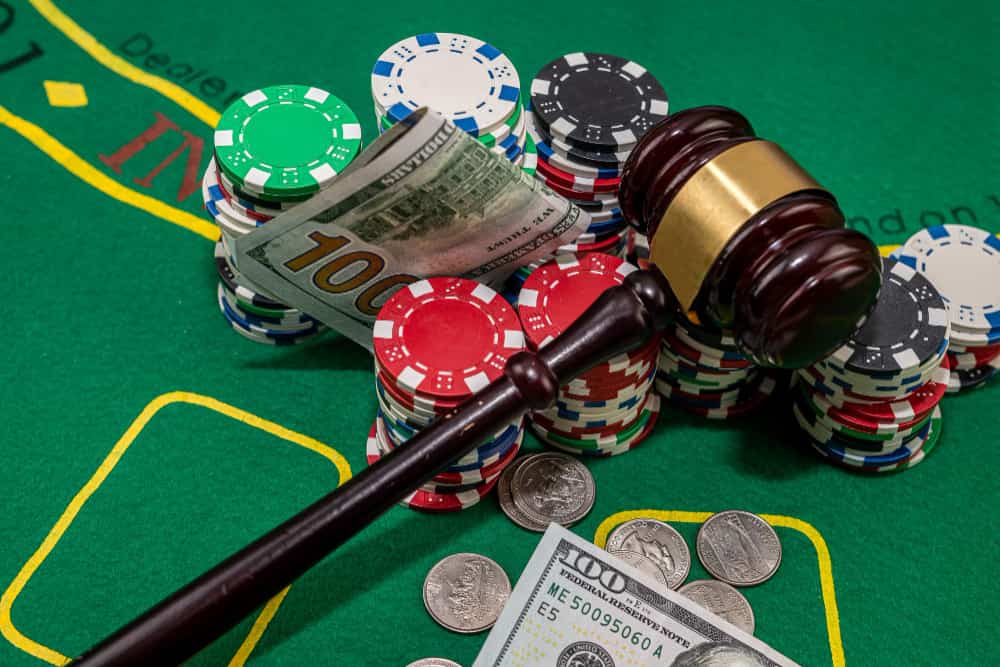
Additionally, the brain’s response to slot machines can lead to changes in behavior and decision-making. Players often develop cognitive distortions that can cloud their judgment, such as overestimating their chances of winning or believing they can recoup their losses. This altered perception can lead them to continue playing despite significant losses, as they become trapped in a cycle of hope and disappointment, only to chase the next big win that seems just around the corner.
Neuroscientific studies indicate that the brain of a person addicted to slot machines can resemble that of a person addicted to drugs or alcohol. The same neurological mechanisms that lead to compulsive overeating or substance abuse can also apply to gambling addiction. This revelation highlights the seriousness of gambling addiction and the need for awareness and preventive measures in addressing this issue. Understanding the brain’s role in this addiction is crucial for developing effective interventions and support systems for those affected.
This website: A Resource for Understanding Gambling Addiction
This website serves as a valuable resource for exploring the complexities of gambling addiction, including the addictive nature of slot machines. By providing in-depth articles, research studies, and expert insights, readers can gain a comprehensive understanding of the psychological and emotional factors that contribute to gambling behaviors. The aim is to foster awareness about the risks associated with gambling and to empower individuals with the knowledge to make informed decisions.
In addition, this platform offers support resources for individuals struggling with gambling addiction. Whether it’s through educational materials or connections to counseling services, the website seeks to help those who may be adversely affected by their gambling habits. It’s crucial to recognize that seeking help is a sign of strength, and this website aims to guide users toward recovery and healthier coping mechanisms.
By exploring the various aspects of gambling addiction, this website emphasizes the importance of awareness and understanding. By educating readers on the psychological triggers and societal influences that contribute to compulsive gambling, the hope is to equip individuals and families with the tools necessary to navigate this challenging landscape. Ultimately, the goal is to promote healthier relationships with gambling and to discourage addictive behaviors among players.